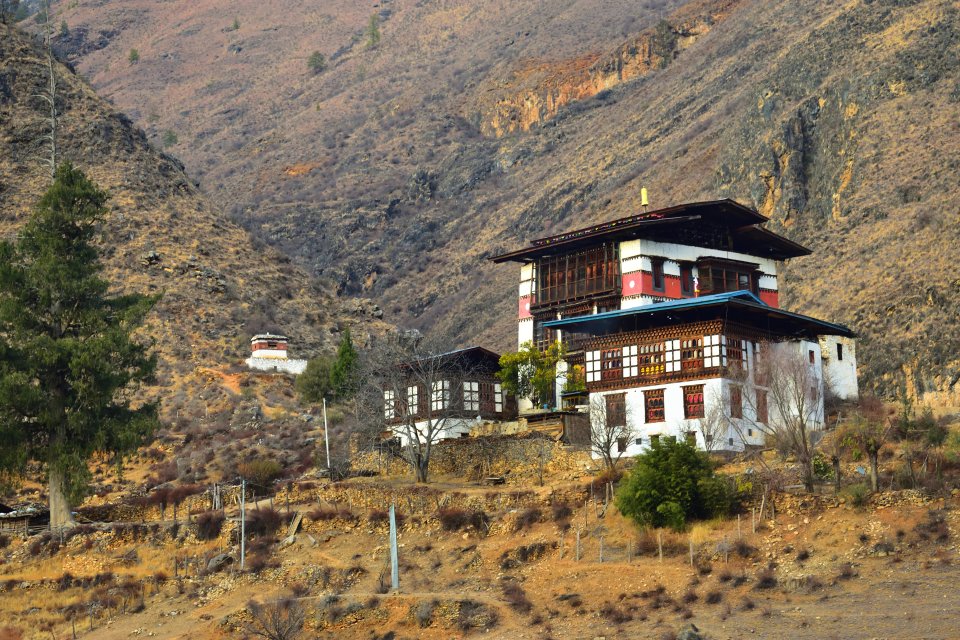
Paro Dzong ranks as a high point of Bhutanese architecture. The massive buttressed walls that tower over the town are visible throughout the valley, especially when floodlit at night. It was formerly the meeting hall for the National Assembly and now, like most dzongs, houses both the monastic body and district government offices, including the local courts. Most of the chapels are closed to tourists but it's worth a visit for its stunning architecture and views. In 1644 Zhabdrung Ngawang Namgyal ordered the construction of the dzong on the foundation of a monastery built by Guru Rinpoche. The fort was used on numerous occasions to defend the Paro valley from invasions by Tibet. The British political officer John Claude White reported that in 1905 there were old catapults for throwing great stones stored in the rafters of the dzong's veranda. The dzong survived a 1897 earthquake but was severely damaged by fire in 1907.

Na sajtu Bohemia.rs koristimo "kolačiće" i druge slične tehnologije, kako bi smo obezbedili rad određenih funkcionalnosti, za prikupljanje zbirne statistike i da vam ponudimo sadržaj, koji je relevantan vašim interesovanjima. Da bismo garantovali vaša prava, tražimo vašu saglasnost. Molimo vas, da pregledate u koje svrhe se koriste "kolačići".
